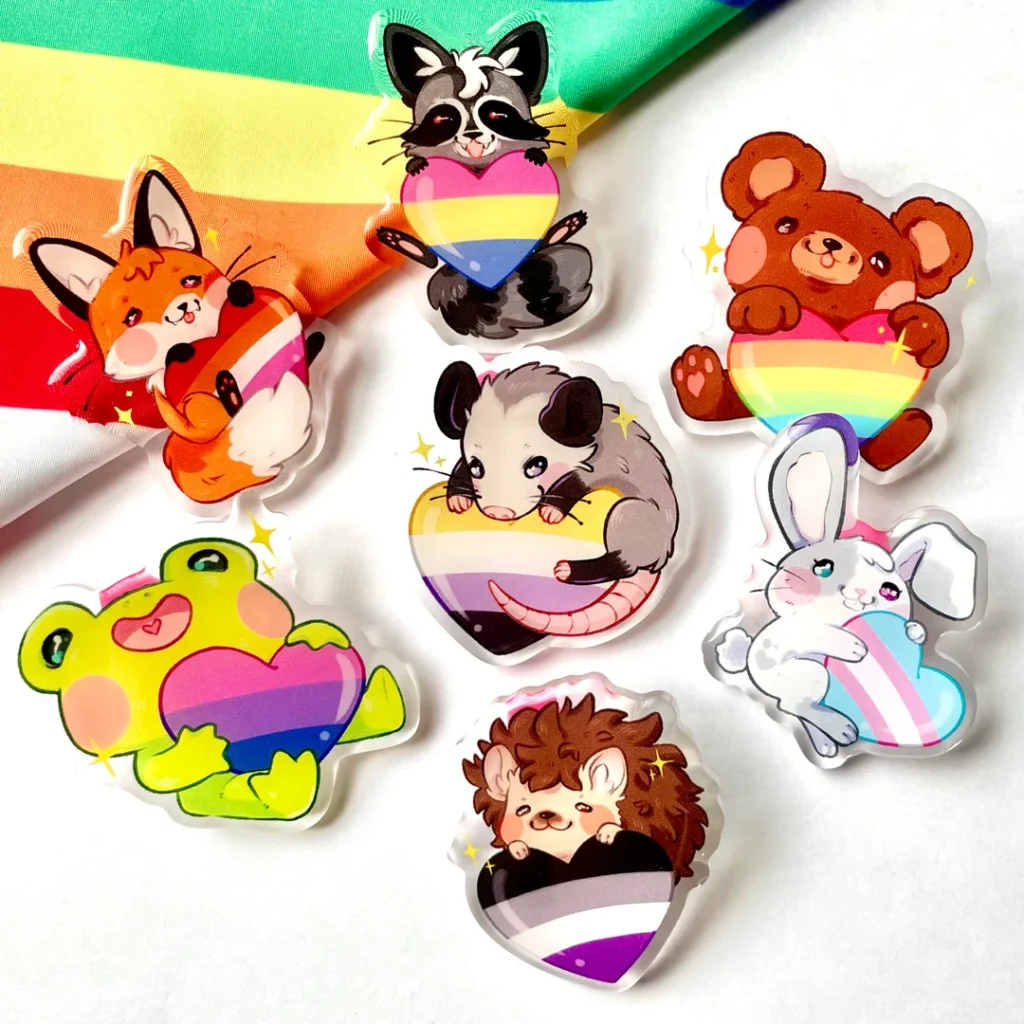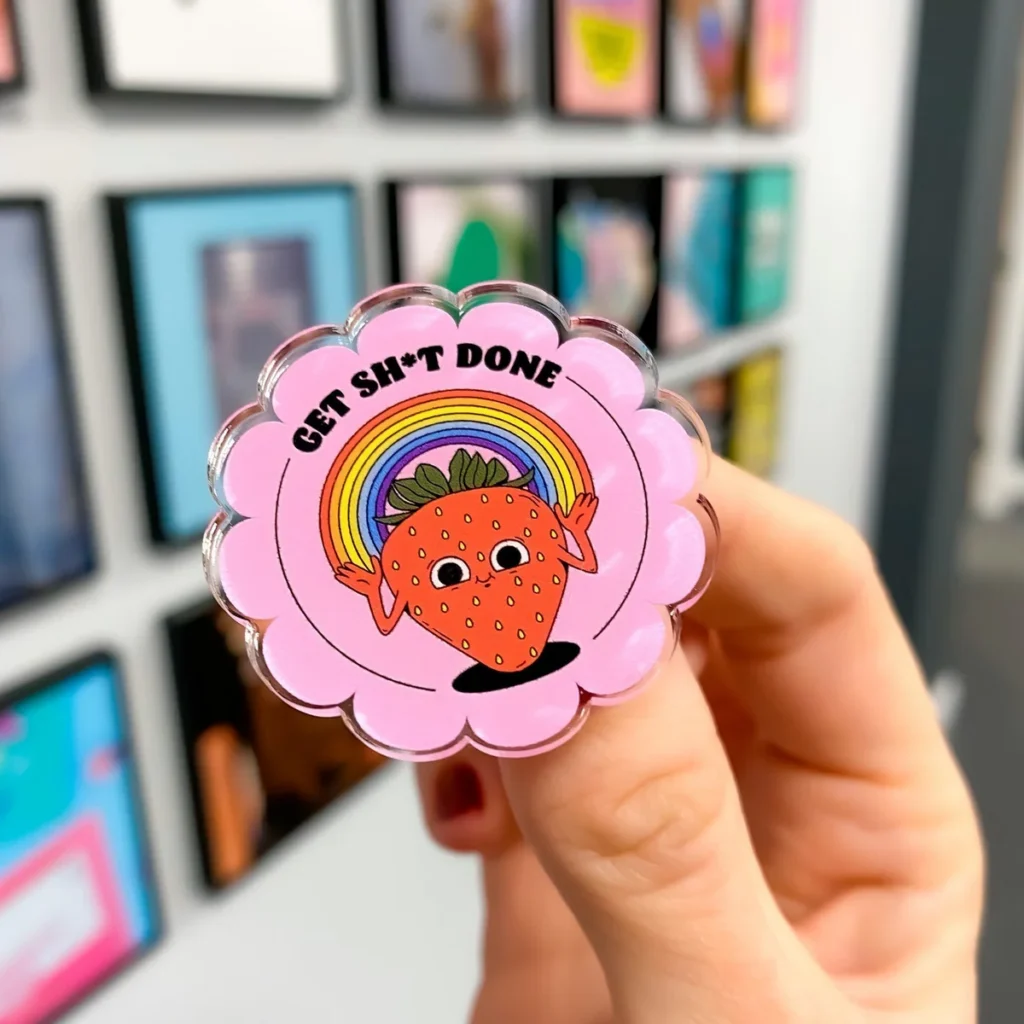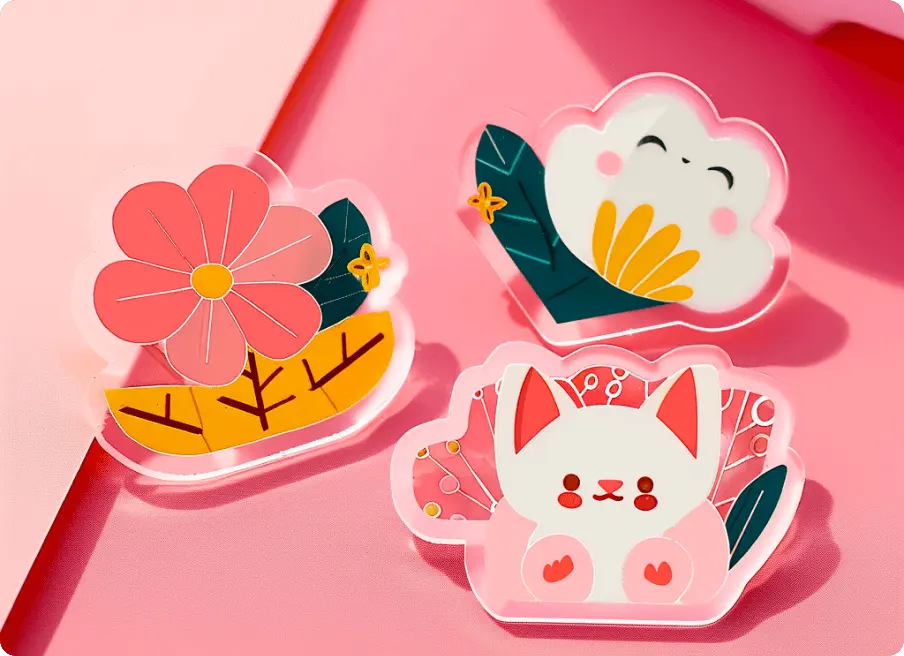
This guide breaks the decision into clear questions so buyers can compare suppliers quickly and confidently.
What should they clarify before requesting quotes?
When planning an Acrylic Pin, they should define the pin’s size, shape, and purpose before they ask anyone for pricing. Clear specs stop vague quotes and surprise add-ons later.
At a minimum, they should note dimensions, thickness, single or double-sided print, desired finish (gloss, matte, epoxy dome), and attachment type (rubber clutch, locking back, magnet). They should also share expected order quantity and target delivery date.
What materials and printing methods should they offer?
A capable manufacturer should explain acrylic grades and printing options in plain terms. If they cannot, it often shows a lack of control over outcomes.
They should offer cast acrylic options, colour-accurate UV printing, and clear guidance on white ink underlay for vibrant colours. If the design has fine lines or gradients, they should confirm minimum line thickness and how they avoid banding, blurring, or colour shifts.
How can they judge quality without seeing the final production?
They can judge it by insisting on the right samples and checking them like a product, not a picture. Photos and mock-ups are helpful, but they are not proof.
They should request physical samples that match their exact design, finish, and hardware. If that is not possible, they should at least request a comparable pre-production sample set, plus close-up videos showing edges, print alignment, and surface finish under direct light.
What questions reveal whether their manufacturer controls colour accurately?
They should ask how the supplier handles colour management and whether they print to a recognised standard. A “we match as close as possible” answer is not enough for brand work.
They should ask whether the manufacturer uses CMYK profiles, can work from Pantone references, and will provide a printed colour proof. They should also check whether the quote includes reprints if colour is materially off the approved proof.
How do they evaluate cutting, edge finishing, and durability?
They should look at edges and stress points, because acrylic pins often fail there first. Clean finishing is a key signal of a serious manufacturer.
They should check whether edges are laser-cut, CNC-cut, or both, and how the supplier removes burn marks or haze. For durability, they should ask about scratch resistance, print sealing, and whether the pin will be exposed to water, sun, or rubbing against fabric.
What attachment hardware options should they expect?
They should expect choices that match how the pin will be worn, packaged, and returned. Hardware failures create refunds, even when the acrylic looks perfect.
They should ask for recommended backs based on pin size and weight, and whether the supplier uses strong adhesives or mechanical fixing. If magnets are offered, they should confirm magnet strength and whether it is safe for certain customers and devices.
How can they compare pricing without getting misled?
They can compare pricing only when quotes include the same assumptions. Many low quotes hide costs in packaging, sampling, mould fees, or shipping.
They should request itemised pricing that separates unit cost, setup fees, sampling, packaging, and freight. They should also confirm what counts as a “defect” and what the replacement policy is, because that cost appears later if quality slips.
What minimum order quantity and lead times are realistic?
They should treat extremely fast timelines or very low MOQs with caution unless the manufacturer explains how it is achieved. Rushed production often shows in alignment, finishing, and packing.
They should confirm production time, sampling time, and shipping time as separate stages. They should also ask whether the supplier can scale, so a small test run can become a larger re-order without a quality drop.
How should they check communication and proofing standards?
They should choose a manufacturer that runs proofing like a process, not a casual email. Strong communication prevents expensive mistakes.
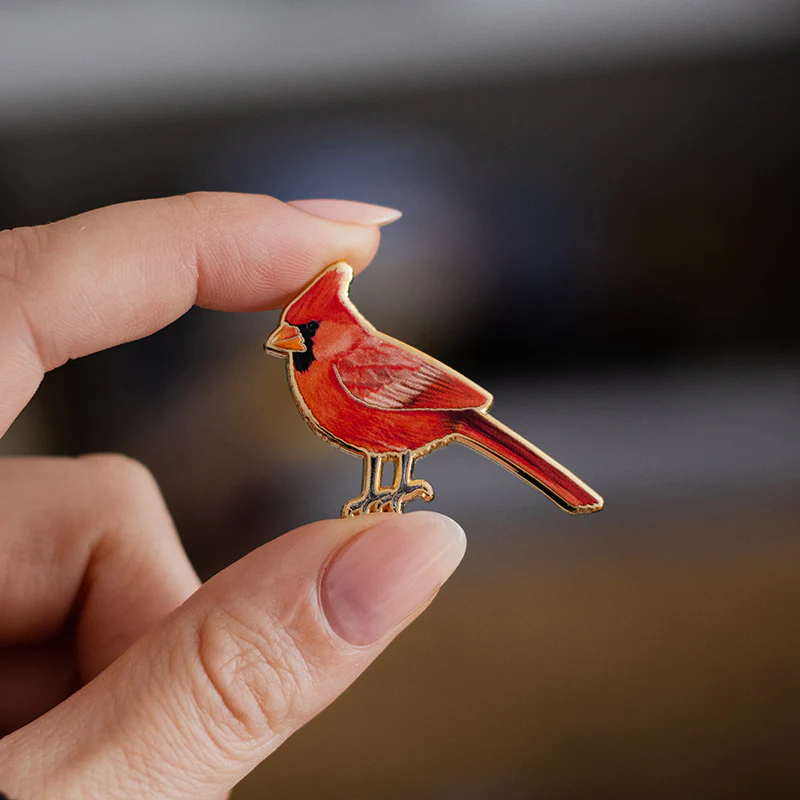
They should look for clear artwork checks, written confirmation of key specs, and a formal proof they can approve. They should also check response times, time zone coverage, and whether one account manager owns the project end-to-end. Click here to get about acrylic in vs enamel: which should you Ccoose?
What certifications and compliance checks matter?
They should match compliance checks to the market and the intended user. This is especially important for children’s products, gifts sold in the EU/UK, or items with magnets.
They should ask about REACH and RoHS where relevant, and whether inks and coatings meet common safety expectations. If the pins will be sold as retail products, they should also ask about labelling options, barcodes, and packaging compliance.
How can they assess packaging and fulfilment support?
They should treat packaging as part of product quality. Bad packaging causes scratches, bent posts, and a poor unboxing experience.
They should ask what each pin is packed in by default, and what upgrades exist, such as protective films, individual polybags, backing cards, or gift boxes. If the pins ship to multiple locations, they should ask whether the manufacturer can split shipments and label cartons clearly.
What red flags suggest they should walk away?
They should walk away if the supplier refuses samples, avoids answering technical questions, or constantly changes what is included. Those behaviours usually get worse after payment.
They should also be cautious if the supplier will not commit to tolerances, will not share defect policies in writing, or pushes payment terms that feel unsafe. A reliable manufacturer makes it easy to understand what will be delivered, when, and what happens if it is wrong.
How can they make a confident final decision?
They should make the decision based on proof, process, and predictability. The “best” manufacturer is the one that can repeat quality at scale, not the one that looks good once.
They should shortlist two or three suppliers, order comparable samples, and score them on finish, colour match, hardware strength, packaging, lead time, and communication. Then they should start with a small run, document the agreed standard, and only scale once the first delivery matches expectations.
FAQs (Frequently Asked Questions)
What key specifications should I define before requesting quotes from acrylic pin manufacturers?
Before requesting quotes, clearly define your pin’s size, shape, purpose, dimensions, thickness, single or double-sided print, desired finish (gloss, matte, epoxy dome), attachment type (rubber clutch, locking back, magnet), expected order quantity, and target delivery date. This clarity prevents vague quotes and unexpected costs later.
Which materials and printing methods should a reliable acrylic pin manufacturer offer?
A competent manufacturer should explain acrylic grades and printing options plainly, offering cast acrylic choices and colour-accurate UV printing. They must provide guidance on white ink underlay for vibrant colours and confirm capabilities for fine lines or gradients without banding, blurring, or colour shifts.
How can I assess the quality of acrylic pins without seeing the final production?
Request physical samples that match your exact design, finish, and hardware. If unavailable, ask for comparable pre-production sample sets plus close-up videos showing edges, print alignment, and surface finish under direct light. Photos alone are insufficient proof of quality.
What questions help determine if a manufacturer controls colour accurately for brand consistency?
Ask how they manage colour control and whether they print to recognised standards. Inquire about their use of CMYK profiles, ability to work from Pantone references, provision of printed colour proofs, and policies on reprints if colours materially deviate from approved proofs.
What attachment hardware options should I expect from an acrylic pin supplier?
Expect a variety of attachment options suited to how the pin will be worn or packaged. Ask for recommendations based on pin size and weight, whether adhesives or mechanical fixing are used, magnet strength if magnets are offered, and safety considerations for customers and devices.
How do I compare pricing among acrylic pin manufacturers without being misled?
Ensure quotes include the same assumptions by requesting itemised pricing that separates unit cost, setup fees, sampling charges, packaging costs, and freight. Confirm definitions of ‘defects’ and replacement policies to avoid hidden expenses later due to quality issues.