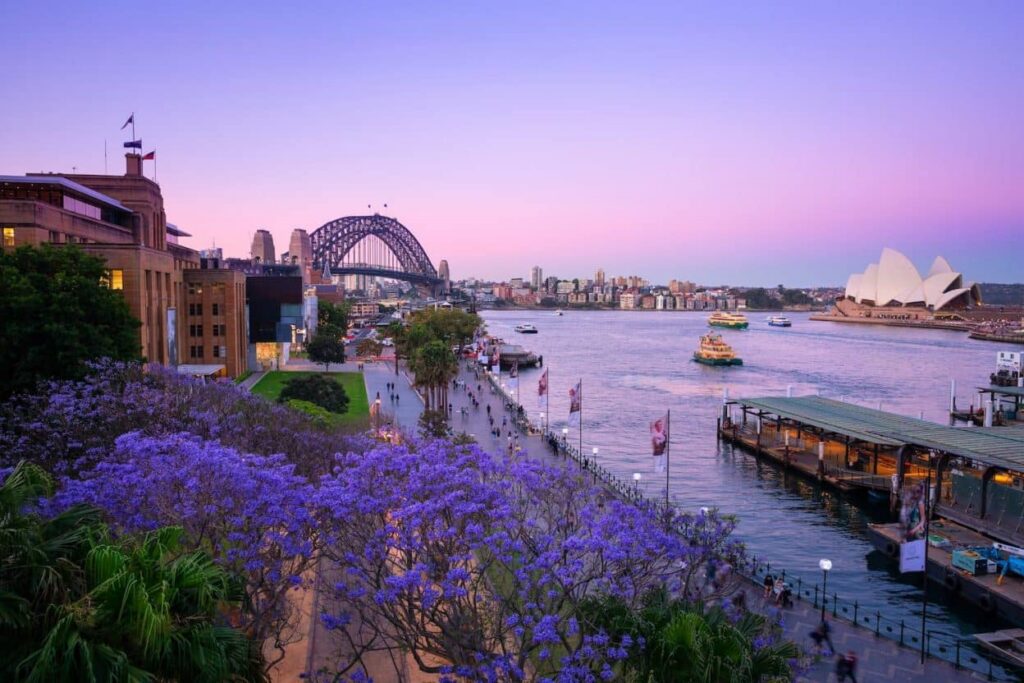
Woolwich sits at the very tip of the Hunters Hill peninsula, where the Lane Cove River meets the Parramatta
River. It is a small suburb with an outsized history: the sandstone Woolwich Dock cut into the rock, Clarkes Point Reserve on the headland, the Woolwich Pier Hotel by the ferry wharf, and Kelly’s Bush, the patch of bushland where the world’s first green ban was declared in 1971.
That history matters for anyone thinking about what a Woolwich florist should offer. This is a heritage suburb with a strong conservation ethos, grand old homes, mature gardens, and residents who care about the character of the place.
What Makes a Good Woolwich Florist
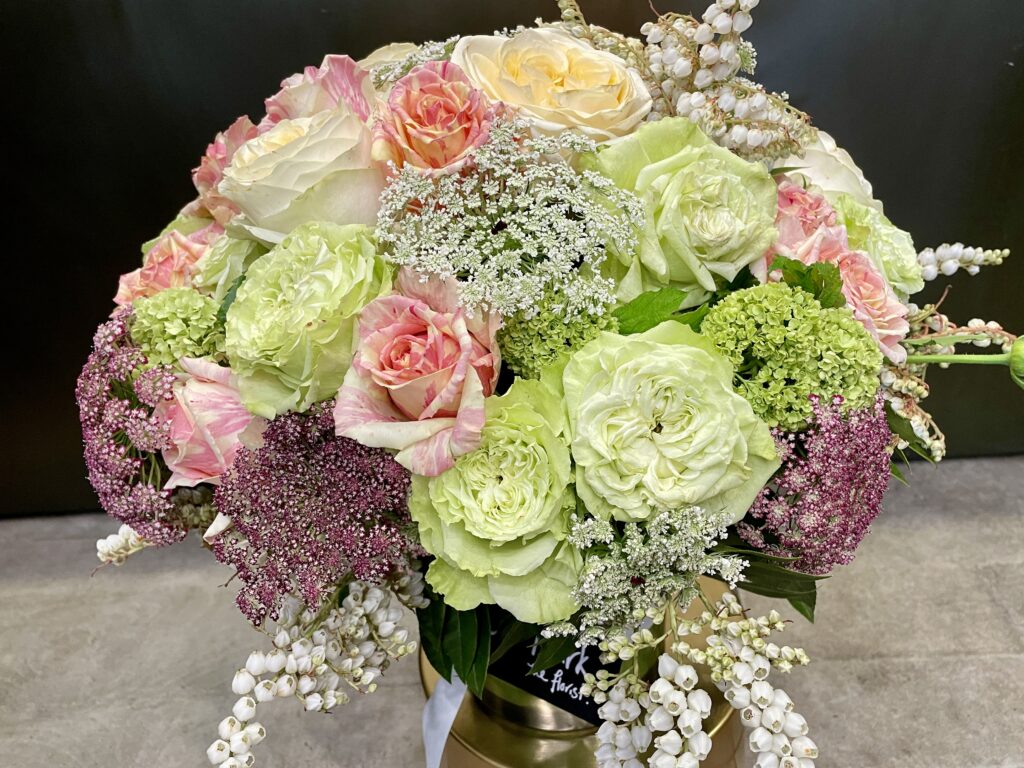
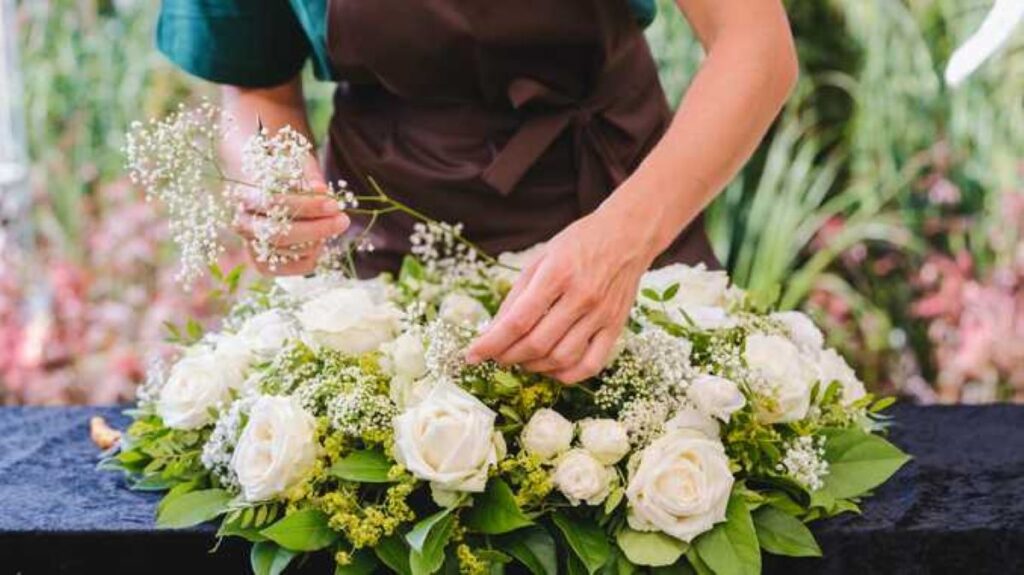
Classic, timeless work suits Woolwich best. A Woolwich florist arranging in a garden-inspired style with quality foliage, elegant focal blooms and restrained palettes will fit the suburb’s sandstone facades and established gardens far better than trend-driven contemporary design.
Think garden roses, hydrangeas, lisianthus, orchids, magnolia foliage and seasonal garden flowers, arranged loosely and generously. Whites, greens, blush and cream sit beautifully against heritage interiors and harbour light.
Respecting the Conservation Character
Woolwich sits within a heritage conservation area, and the local ethos leans strongly towards preservation and environmental care. A Woolwich florist who offers foam-free construction, compostable wrapping, reusable vessels and seasonal Australian-grown stems will align with local values rather than working against them.
Given Kelly’s Bush and the suburb’s place in Australian conservation history, that is not a marketing angle here. It is genuinely part of the local identity.
Native Flowers and Australian Design
Australian native material suits Woolwich well, both because of the surrounding bushland reserves and because natives last so well in a warm harbourside home.
The international standing of Australian flora is worth appreciating. Australian native plantings including banksias and kangaroo paw have featured prominently at the Chelsea Flower Show’s Australian landscape displays, which is a useful reminder that the material a Woolwich florist can source locally is genuinely world class, not a domestic compromise.
Banksias, waratahs, flannel flowers, kangaroo paw, wattle and gum foliage all bring texture and exceptional vase life, and they dry beautifully afterwards.

Delivering Across Woolwich
Woolwich is small, almost entirely residential, and made up of substantial freestanding homes with a small number of low-rise apartment buildings. Access is generally manageable, but the peninsula geography creates genuine complications.
The suburb is a dead end reached via Woolwich Road, streets are narrow with limited parking, several properties are gated or set well back behind mature planting, and the ground falls away steeply towards the water on both sides. Some homes are accessed by descending stairs from the street.
When ordering from a Woolwich florist, provide the full street address, gate or driveway instructions, any stair access notes, and the recipient’s mobile number. If nobody will be home, nominate a shaded, secure location.
Timing
Same day delivery is generally available on weekday orders placed before the cut-off, usually around midday. Because Woolwich sits at the end of a peninsula, later same day requests are harder to accommodate, so ordering earlier genuinely improves reliability.
Saturday cut-offs are earlier and Sunday coverage is limited. For a weekend occasion, order by Friday morning.
Occasions Woolwich Residents Order For
The order profile skews towards significant occasions: milestone birthdays, long-standing anniversaries, and sympathy arrangements among a community with many long-term residents.
Entertaining and events are a real driver. Woolwich’s garden properties, water outlooks and heritage homes host dinners, milestone lunches, garden parties and small ceremonies, which generates table arrangements, entry pieces and event styling.
The Woolwich Pier Hotel and the reserves on the headland also mean occasional function and event work for a Woolwich florist, from celebration arrangements to ceremony flowers.
Making Flowers Last in a Heritage Home
Older homes vary enormously in how they treat cut flowers. High-ceilinged sandstone rooms tend to stay cool, which is excellent. Sun-facing extensions with large glazed areas get very warm, which is not.
The routine is the same regardless: clean vase, fresh water, stems trimmed at an angle with a sharp blade, all foliage below the water line removed, and water changed every second day with a fresh trim each time.
Keep arrangements back from unshaded glass, away from air-conditioning outlets, and away from the fruit bowl, since ethylene from ripening fruit ages blooms noticeably faster.
Vessel Choice for Heritage Interiors
Simple vessels work best against period detail: clear glass, plain ceramic, or something with genuine age.
Heavily decorated vases compete with garden-style arrangements rather than supporting them.
Seasonal Buying
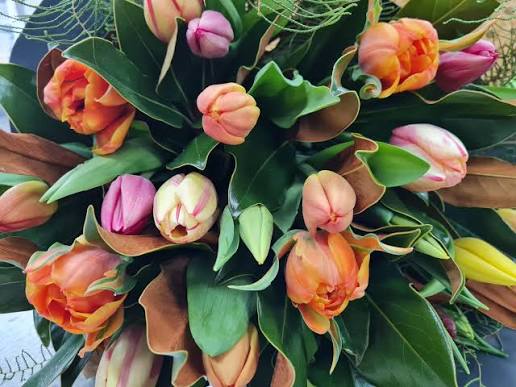
Spring brings tulips, ranunculus, sweet peas, blossom branches and a brief peony window, along with peak native flowering. Summer offers dahlias, hydrangeas, sunflowers and zinnias. Autumn delivers deeper roses, chrysanthemums, celosia and rich foliage. Winter is the value season, with anemones, hellebores, camellias, wattle and banksia.
A Woolwich florist buying in season delivers fresher stock at better value, and seasonal blooms naturally share a palette and scale so they arrange more coherently.
The Trade Behind the Arrangement
Good floristry is a trained craft. Conditioning stems properly, building mechanics that hold, judging proportion, and constructing bouquets that survive a long day all rest on technique rather than instinct.
Formal training covers exactly this, and programs such as TAFE NSW’s floristry courses teach the construction methods and flower care fundamentals that distinguish professional work. When choosing a Woolwich florist for an event or wedding, asking about training is entirely reasonable.
Local Council Information
For heritage guidelines, local planning, reserve management, community updates and council services, Hunter’s Hill Council is the primary resource for Woolwich residents and businesses, alongside neighbouring suburbs including Hunters Hill, Huntleys Point and Huntleys Cove.
The council manages Clarkes Point Reserve, Kelly’s Bush and the foreshore access around the peninsula, directly relevant for anyone planning a ceremony, gathering or community event and needing to understand permits and access.
Briefing Your Woolwich Florist
Give the occasion, the recipient, a palette direction, anything to avoid, and an honest budget. Say where the arrangement will sit, because heritage rooms often have proportions that affect scale considerably. Mention pets so lilies can be substituted.
Stay flexible on variety and firm on palette and budget. A Woolwich florist buying daily will produce better work from the best current stock than from forcing an out-of-season request.
For Garden Events
If you are hosting outdoors, brief the florist on sun and wind exposure. The headland can be breezy, and tall delicate installations do not survive it. Bouquets should stay in water and in shade until the last possible moment.
Final Thoughts on Choosing a Woolwich Florist
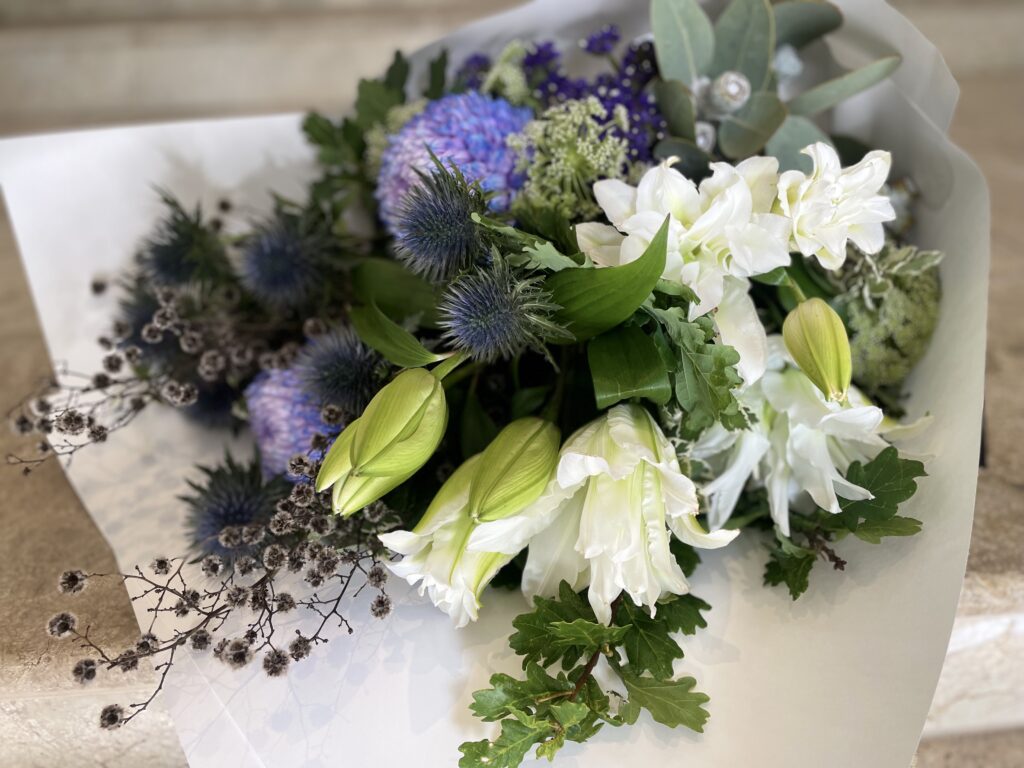
The right Woolwich florist respects the suburb’s heritage and conservation character, works with classic and native seasonal material, and knows the peninsula’s narrow, steep streets well enough to deliver reliably. Look for daily buying, foam-free options and timeless design over passing trends.
Lush Flower Co hand-arranges fresh seasonal and native bouquets and delivers throughout Woolwich and the surrounding Hunters Hill peninsula.