
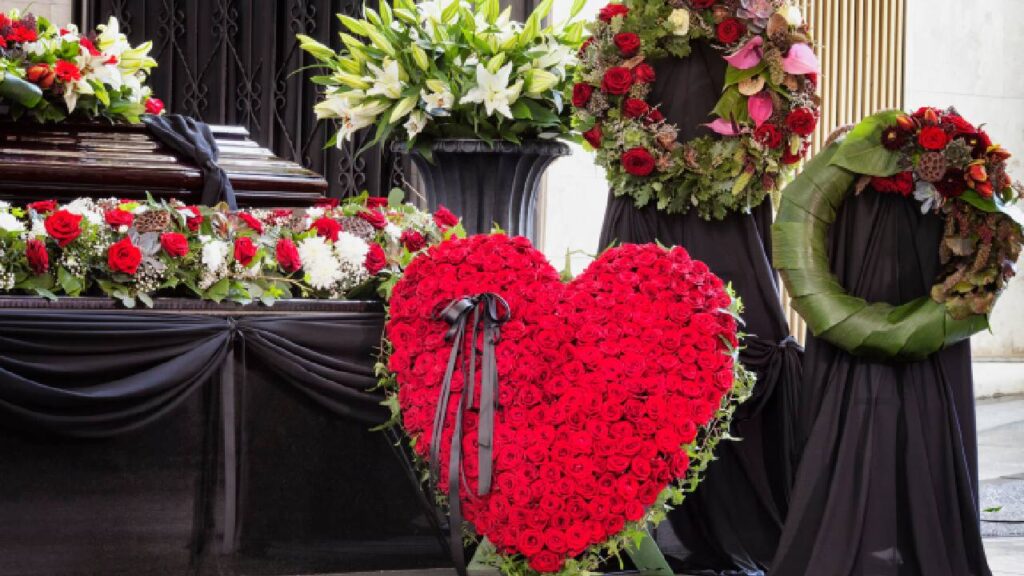
Why Are Funeral Flowers Important When Honouring a Loved One?
Funeral flowers are more than just decorations; they hold deep meaning and serve various purposes during one of life’s toughest times. Here’s why they’re so important:
1. Expressing Emotions
Flowers have a unique way of conveying feelings that words often struggle to express. They act as a bridge between our emotions and the message we want to convey, providing comfort to grieving families when sadness feels overwhelming.
2. Symbolising Support
Sending funeral flowers is a powerful gesture that shows solidarity with the bereaved. It demonstrates that friends, family, and community members stand beside them in their pain, offering love and support during this difficult period.
3. Creating a Peaceful Atmosphere
The presence of flowers can transform any space into one filled with serenity and calmness. Their natural beauty brings warmth to cold funeral settings, creating an environment where mourners can find solace amidst their grief.
4. Honouring Lives Lived
Each flower holds significance and symbolism. By choosing specific blooms that represent the deceased’s personality or interests, we pay tribute to their life lived—celebrating who they were even after they’re gone.
5. Evoking Memories
Fragrances have a powerful connection to memories. The scent of certain flowers can evoke cherished moments spent with the departed, providing sensory comfort during emotionally taxing times.
6. Focusing on Beauty
Grief can be overwhelming, making it challenging for mourners to find moments of peace or joy. Having something beautiful like floral arrangements nearby gives them an object to focus on—a reminder that amidst sorrow, there is still beauty in life.
Understanding these reasons behind the importance of funeral flowers helps us choose arrangements thoughtfully—ones that truly honour our loved ones while offering support to those left behind.
What Do Different Types of Funeral Flowers Symbolise?
Flower symbolism carries profound meaning at funerals, with each bloom communicating specific emotions and tributes. Understanding funeral flower meanings helps create arrangements that authentically express your sentiments and honour the deceased’s memory.
Lilies: Symbols of Restored Innocence
White lilies stand as one of the most traditional funeral flowers, representing the restored innocence of the departed soul. Their elegant trumpet-shaped blooms convey purity and the belief that the deceased has returned to a peaceful state. Stargazer lilies, with their vibrant pink hues, express sympathy whilst celebrating a life lived with passion and energy.
Roses: Colours That Speak Volumes
The colour of roses dramatically alters their message at funerals. Red roses declare deep love and respect, making them ideal for spouses or romantic partners. White roses symbolise reverence, purity, and innocence, suitable for younger individuals or to express spiritual devotion. Pink roses communicate grace, admiration, and appreciation, whilst yellow roses celebrate friendship and the joy the deceased brought to others’ lives.
Chrysanthemums: Honouring Eternal Rest
Chrysanthemums hold special significance in funeral traditions across many cultures, particularly in European and Asian countries where they’re exclusively associated with death and mourning. These full, layered blooms represent truth and loyal love. In many regions, white chrysanthemums specifically symbolise grief and are considered the most appropriate choice for funeral tributes.
Carnations: Layered Meanings of Love
Carnations offer both affordability and rich symbolism for funeral arrangements. Red carnations express admiration and deep love, white carnations represent pure love and innocence, and pink carnations carry special meaning as they’re said to have first appeared from the Virgin Mary’s tears. Their long-lasting nature makes them practical for extended memorial services.
Gladioli: Strength and Moral Integrity
Tall gladioli stems convey strength of character, sincerity, and moral integrity. Their sword-like shape (gladiolus means “little sword” in Latin) represents the strength the deceased demonstrated throughout life. These striking flowers work particularly well in standing sprays where their height creates dramatic, dignified displays.
How Can Personal Touches Be Incorporated Into Funeral Flower Arrangements?
Personalised funeral tributes transform standard arrangements into meaningful celebrations of an individual’s unique life. The deceased’s favourite flowers, colours, and even hobbies can be woven into floral designs to create arrangements that genuinely reflect who they were. This approach shifts funeral flowers from generic sympathy gestures to authentic representations of a person’s character, passions, and the relationships they cherished.
Reflecting Personal Interests Through Floral Design
Florists can incorporate symbols of the deceased’s hobbies or profession directly into arrangements. A keen gardener might be honoured with arrangements featuring their favourite garden blooms, whilst someone passionate about football could have flowers arranged in their team’s colours. Musicians might be remembered through arrangements shaped like musical notes or instruments, crafted entirely from fresh flowers.
Colour Choices That Tell a Story
The deceased’s favourite colours provide an immediate way to personalise arrangements. Vibrant, bold hues suit those who lived life with energy and enthusiasm, whilst softer pastels might reflect a gentle, nurturing personality. A person who loved the sea might be honoured with arrangements in blues and whites, creating visual connections to their passions.
Adding Meaningful Elements Beyond Flowers
Personal touches extend beyond flower selection:
- Photographs attached to arrangements or displayed alongside them
- Ribbons with personal messages from family members or friends
- Favourite objects incorporated into the design, such as fishing lures for an angler or sheet music for a pianist
- Memory cards sharing specific stories or cherished moments
- Seasonal elements reflecting the time of year they loved most
Creating Arrangements That Spark Memories
The deceased’s favourite flowers serve as powerful memory triggers for mourners. Someone who grew roses in their garden should be honoured with rose arrangements. A person who loved spring might be remembered through daffodils and tulips, regardless of the season. These choices help attendees recall specific moments shared with the departed.
Incorporating Cultural Heritage
Personal touches can celebrate the deceased’s cultural background through traditional flowers from their heritage. Someone with Japanese ancestry might be honoured with arrangements featuring cherry blossoms, whilst Irish heritage could be reflected through shamrocks or green and white colour schemes.
What Cultural and Religious Considerations Should Be Taken Into Account When Choosing Funeral Flowers?
Different faiths and cultures have their own traditions when it comes to funeral flowers. This makes it important to know about these traditions so that you can choose the right tribute. By understanding these practices, you can avoid accidentally disrespecting anyone and make sure that your gesture brings comfort to grieving families.
Christian Funerals
Christian funerals usually accept all kinds of floral arrangements, but white flowers are especially preferred because they symbolise resurrection and eternal life. Common flowers seen at Christian services include lilies, roses, and carnations, which represent purity, love, and devotion.
Jewish Funerals
Jewish funerals traditionally discourage or even prohibit flowers altogether since the faith promotes simplicity in death rituals. Instead, donations to charity in honour of the deceased are the preferred way to pay tribute. However, it’s important to note that some Reform Jewish families may be open to accepting flowers, so it’s crucial to check with family members before sending any arrangements.
Islamic Funerals
Islamic funerals generally steer clear of extravagant floral displays as they go against the principles of modesty and simplicity. While some Muslim families may accept simple arrangements, many would rather receive charitable donations instead. When it comes to flowers, white blooms are the most compatible with Islamic funeral customs.
Hindu Funerals
Hindu funerals embrace flowers as sacred offerings, with white blooms representing purity and peace. Marigolds hold special significance in Hindu culture; they are often used to adorn both the deceased person and the funeral spaces. During ceremonies, garlands made from marigolds or loose petals are scattered as a way of honouring the departed’s journey.
Buddhist Funerals
Buddhist funerals welcome white flowers as symbols of grief and respect while avoiding red blooms that signify happiness and celebration. Chrysanthemums carry particular meaning in Buddhist traditions; they are especially associated with death and mourning within East Asian communities.
Chinese Cultural Customs
In Chinese cultural customs, different flower colours have specific meanings assigned to them. For funerals, white, yellow, and blue flowers are appropriate choices while red, pink, and bright colours should be avoided since they represent joy and celebration. Chrysanthemums remain the traditional choice for Chinese funerals.
Seeking guidance from funeral directors proves invaluable when navigating unfamiliar religious traditions or cultural customs. These professionals possess extensive knowledge about appropriate floral choices and can liaise with families to clarify preferences. Family members themselves often appreciate being consulted as practices may vary between individuals even within the same faith community.
Regional variations also influence flower selection. Mediterranean cultures often favour elaborate displays.
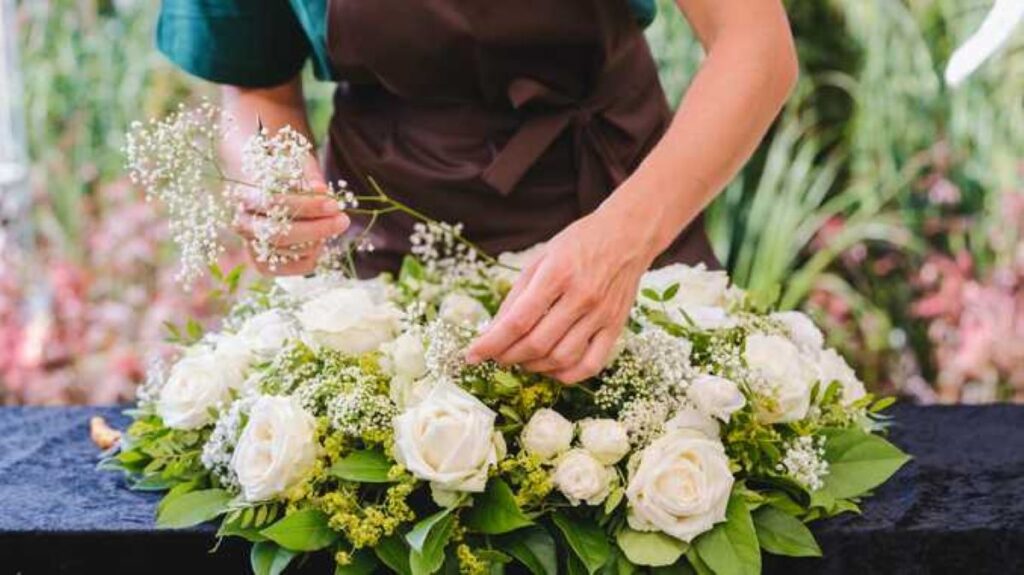
What Are The Different Types Of Floral Arrangements Used At Funerals?
Casket Sprays
Casket sprays rest directly on top of the coffin and serve as the primary floral focal point during the service. These large, elegant arrangements typically measure between 3 to 6 feet in length and can be designed as full-couch sprays (covering the entire casket lid) or half-couch sprays (covering half the lid when the upper portion remains open). Family members usually select casket sprays as they represent the immediate family’s tribute to the deceased.
Standing Sprays
Standing sprays provide vertical displays positioned on easels near the coffin or at the front of the service venue. These arrangements range from traditional fan-shaped designs to more elaborate shapes including:
- Hearts – expressing deep love and affection
- Crosses – reflecting Christian faith and spiritual devotion
- Wreaths – symbolising eternal life through their circular form
- Anchors – honouring those with maritime connections or naval service
Standing sprays typically measure 4 to 6 feet tall and create visual impact whilst allowing mourners to view them from a distance. Extended family members, close friends, or colleagues often send these arrangements as their personal tribute.
Sympathy Bouquets
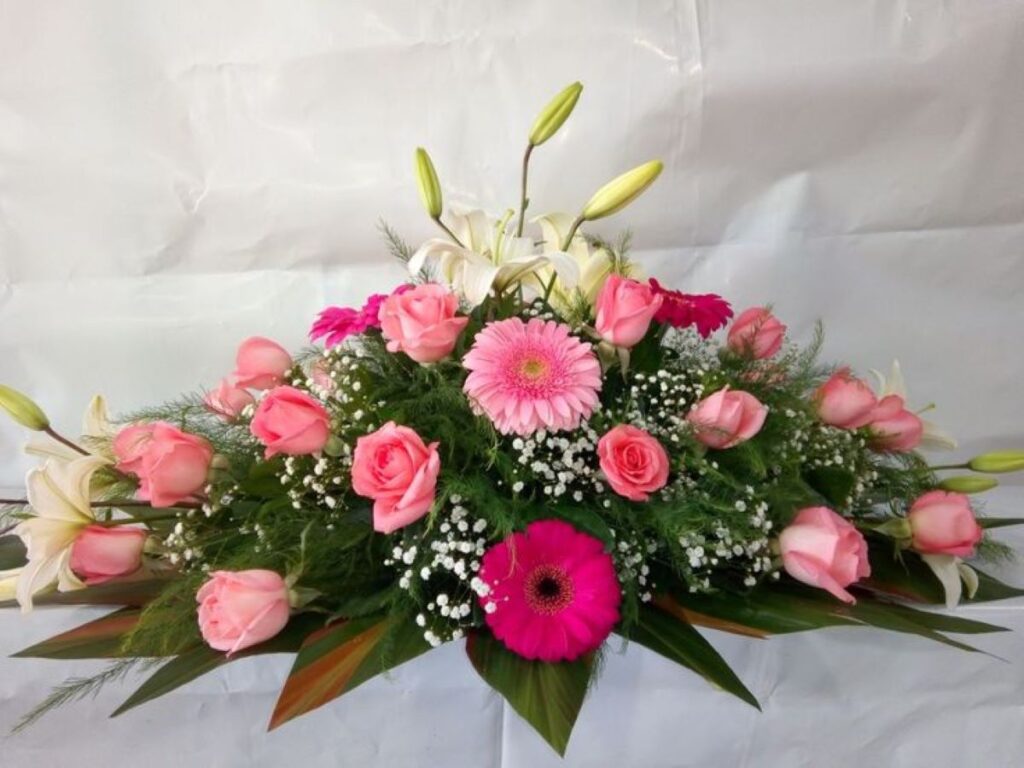
Sympathy bouquets offer smaller, more intimate expressions of condolence that can be displayed at the service or sent directly to the family’s home. These versatile arrangements come in vases, baskets, or as hand-tied bouquets, making them practical for families to keep after the funeral. They work particularly well when multiple people wish to send individual tributes without overwhelming the service space.
Posies and Sheaves
Posies and sheaves present simpler, more natural-looking arrangements where flowers are gathered together with minimal structure. Posies are small, round bouquets often placed inside the coffin or held by mourners, whilst sheaves feature flowers tied together at the stems, creating a rustic, garden-fresh appearance. These understated options suit those preferring less formal tributes.
Grave Decorations
Grave decorations include arrangements specifically designed for placement at the burial site after the service. These durable tributes withstand outdoor conditions and may include:
- Grave pots with seasonal flowers
- Memorial crosses adorned with blooms
- Flat grave blankets made of fresh or artificial flowers
How Do Colour Choices Impact The Messages Conveyed By Funeral Flowers?
The choice of colours at funerals is significant, as each colour has its own emotional meaning and symbolism. By carefully selecting the right colours, floral arrangements can go beyond being mere decorations and instead become powerful expressions of sorrow, love, and remembrance.
White: The Universal Symbol of Peace
White flowers are commonly used in funeral services around the world. They symbolise purity, innocence, and spiritual peace. Flowers like lilies, roses, and chrysanthemums in bright white convey respect and provide comfort to those who are grieving. This particular colour choice is especially fitting for tributes to individuals who lived with dignity or passed away after a prolonged illness, representing their liberation from pain.
Red: Passionate Love and Deep Respect
Red flowers convey strong emotions such as unwavering love, deep respect, and bravery. Red roses are the classic choice for expressing romantic love, making them suitable for spouses and partners. Darker shades of red acknowledge the intensity of loss while also honouring the strength of the connection shared with the deceased.
Pink: Gentle Affection and Grace
Pink flowers evoke softer emotions such as gentle love, admiration, and grace. Light pink carnations or roses are appropriate for tributes to mothers, grandmothers, or anyone who embodied nurturing qualities. This colour provides solace without overwhelming grieving families with heavy symbolism.
Yellow: Friendship and Fond Memories
Yellow represents friendship, joy, and celebrating a life well-lived. These bright blooms work beautifully for honouring close friends or individuals known for their cheerful nature. Yellow roses or gerberas can lighten the atmosphere while still showing proper respect.
Purple: Dignity and Admiration
Purple signifies dignity, admiration, and respect for achievements. This royal colour is suitable for tributes to community leaders, educators, or anyone who commanded respect through their life’s work. Lavender shades soften the message while still maintaining elegance.
Blue: Calm and Serenity
Blue flowers bring a sense of calmness and peace; however naturally occurring blue blooms are quite rare. Delphiniums, irises or dyed hydrangeas can create soothing arrangements that comfort grieving hearts. This particular colour resonates when paying tribute to those who brought tranquillity into our lives.
What Practical Considerations Should Be Taken Into Account When Selecting Funeral Flowers?
Seasonal availability and budget constraints play crucial roles in selecting appropriate funeral flowers. Fresh, locally available blooms ensure arrangements arrive in pristine condition and last longer, whilst realistic financial planning prevents additional stress during an already difficult time.
Why Does Seasonal Availability Matter?
Flowers in season guarantee superior quality and longevity. Spring tulips and daffodils, summer roses and hydrangeas, autumn chrysanthemums, and winter evergreens with white lilies all offer peak freshness when purchased during their natural growing periods. Out-of-season blooms require importing or greenhouse cultivation, which increases costs and reduces vase life.
Local florists can advise which flowers currently offer the best quality. Seasonal choices also tend to be more fragrant and vibrant, creating a more impactful tribute. Wilted or browning flowers detract from the memorial service, making seasonal selection a practical necessity rather than merely a preference.
How Should You Plan Your Budget for Funeral Flowers?
Budget considerations for funeral flowers typically range from £50 for simple sympathy bouquets to £300 or more for elaborate custom arrangements. Setting a clear budget before consulting florists helps narrow options and prevents overspending during an emotionally vulnerable period.
Different arrangement types carry varying price points:
- Simple bouquets or posies: £50-£100
- Standard casket sprays: £150-£250
- Standing sprays and wreaths: £100-£200
- Bespoke tributes (letters, shapes): £200-£500+
Families often coordinate to avoid duplication. Immediate family members might contribute towards the casket spray, whilst friends and extended relatives send smaller arrangements. Discussing budget openly with your florist allows them to suggest alternatives that maintain visual impact whilst respecting financial limits.
What Questions Should You Ask Your Florist?
Communicating specific requirements ensures the final arrangement aligns with your vision for How to Choose Funeral Flowers That Honour a Loved One. Ask about delivery timing, as flowers need to arrive at the venue or funeral home at precise times. Confirm whether the florist has experience with funeral arrangements and understands proper etiquette when dealing with grieving families. You may like to visit https://roxyrosewedding.com/why-valentines-day-flowers-still-say-it-best/ to get why Valentines day flowers still say it best.
How Can A Meaningful Tribute Be Created With Funeral Flowers?
A meaningful floral tribute emerges when you weave together symbolism, personalisation, cultural respect, and practical considerations into a single arrangement. The most touching tributes tell a story about the person who has passed, honouring both their memory and the relationships they cherished.
Layering Symbolism With Personal Meaning
Start by selecting flowers that carry symbolic weight whilst reflecting the deceased’s character. A gardener might be honoured with arrangements featuring their favourite blooms from their own garden. Someone who valued purity and simplicity could be remembered through white lilies and daisies, whilst a passionate individual might be celebrated with vibrant red roses mixed with their preferred colours.
The symbolism becomes more powerful when it connects directly to memories. If your loved one always wore yellow, incorporating yellow roses or gladioli transforms traditional funeral symbolism into something deeply personal. Each flower choice can represent a different aspect of their life—their values, passions, or the qualities others admired most.
Incorporating Personal Elements
Personal touches transform standard arrangements into unique tributes:
- Hobby-inspired designs: Arrangements shaped like musical instruments, sports equipment, or books
- Favourite colour schemes: Moving beyond traditional whites to embrace colours they loved
- Meaningful additions: Incorporating ribbons with personal messages, photographs, or small mementos
- Signature flowers: Using blooms from significant life events like their wedding bouquet
- Garden flowers: Including cuttings from their own garden when seasonally appropriate
Balancing Cultural Traditions With Individual Expression
Respecting cultural or religious customs doesn’t mean sacrificing personalisation. Many traditions offer flexibility within their frameworks. White chrysanthemums might be essential for certain Asian funeral customs, yet you can arrange them in ways that reflect individual personality. Christian services often feature cross-shaped arrangements, but the flowers comprising that cross can be tailored to personal preferences.
Consult with family members and funeral directors to understand which elements are non-negotiable and where creative freedom exists. Some families blend traditional expectations with modern personal touches—perhaps a traditional casket spray accompanied by smaller, more personalised arrangements placed nearby.
Creating Visual Harmony
A cohesive meaningful floral tribute considers how different elements work together visually. Choose colours that complement each other rather than clash; consider using a limited palette for elegance or contrasting hues for vibrancy depending on what best represents the deceased.
Think about shapes too—round bouquets may convey softness while angular designs suggest strength. Mixing these up can add interest but be careful not to overdo it as it might come across as chaotic instead of harmonious.
When arranging flowers remember balance—both in terms of size (larger blooms should not overpower smaller ones) and quantity (an odd number tends to look more natural). Finally don’t forget scent! Fragrant flowers like jasmine or freesia can evoke memories just as much as sight does.
Practical Considerations
While creating an emotional tribute is important we mustn’t overlook practicality either:
- Venue restrictions: Some places have rules about what kind of arrangements are allowed (e.g., no loose petals).
- Transportation needs: If you’re bringing the tribute from afar ensure it’s sturdy enough for travel.
- Allergies: Be mindful of any known allergies among attendees when selecting fragrant blooms.
- Longevity: If the tribute will be displayed for several days opt for hardy varieties that won’t wilt quickly.
By balancing these practicalities with emotional significance we can create tributes that are not only beautiful but also respectful and considerate towards those involved in the funeral proceedings.
Conclusion
Creating a meaningful floral tribute involves careful thoughtfulness combining symbolism, personalisation, cultural respect alongside practical considerations into one cohesive arrangement which tells story about deceased honouring both memory relationships they cherished.
Final Thoughts On Choosing Funeral Flowers That Honour A Loved One
Choosing funeral flowers thoughtfully requires weighing multiple considerations rather than focusing on just one aspect. The most meaningful tributes emerge when symbolism, personal connection, cultural sensitivity, and practical constraints work together harmoniously.
Balance remains the cornerstone of selecting appropriate funeral flowers. A stunning arrangement that ignores religious customs may cause unintended distress. An expensive display that doesn’t reflect the deceased’s personality feels hollow despite its grandeur. The most touching tributes often come from understanding what mattered most to your loved one and translating that into floral form.
Consider these essential elements when making your final selection:
- Personal significance should guide your primary choices
- Cultural and religious requirements must be respected first
- Symbolic meanings add depth to your message
- Practical factors like budget and seasonality ensure your tribute arrives fresh and beautiful
- Colour choices reinforce the emotions you wish to express
The process of learning how to choose funeral flowers that honour a loved one becomes less overwhelming when you approach it systematically. Start with what you know about the person you’re honouring. Their favourite colours, beloved flowers, or meaningful symbols provide your foundation. Layer in cultural considerations, then refine based on arrangement type and budget.
Trust your instincts about what feels right. Funeral directors and florists possess valuable expertise, yet you knew your loved one best. If a particular flower or colour combination resonates with your memories, that emotional connection often creates the most powerful tribute. The flowers you select become a visible expression of love, respect, and remembrance—a final gift that speaks when words fail.
FAQs (Frequently Asked Questions)
Why are funeral flowers important when honouring a loved one?
Funeral flowers play a significant role in the grieving process by providing comfort and support to bereaved families. They serve as a visual tribute that honours the memory of the departed, helping to express sympathy and respect during difficult times.
What do different types of funeral flowers symbolise?
Popular funeral flowers carry specific meanings; for example, lilies often represent purity and the restored innocence of the soul, roses convey love and respect, while chrysanthemums symbolize honour and grief. Understanding these flower symbolisms can help in selecting arrangements that appropriately reflect sentiments.
How can personal touches be incorporated into funeral flower arrangements?
Incorporating personal touches involves reflecting the personality and preferences of the deceased through flower choices. This might include using their favourite flowers or colours, adding meaningful items like photographs or mementos within the arrangement, thereby creating a personalised funeral tribute that truly honours their memory.
What cultural and religious considerations should be taken into account when choosing funeral flowers?
Different cultures and religions have unique customs regarding funeral flowers. It’s important to respect these traditions by consulting with family members or funeral directors to ensure flower selections align with cultural practices and religious beliefs, thus honouring the deceased appropriately.
What are the different types of floral arrangements used at funerals?
Common funeral floral arrangements include casket sprays that adorn the coffin, standing sprays shaped as hearts or crosses for display near the service area, bouquets for personal tributes from family or friends, and grave decorations placed at the burial site. Each type serves a distinct purpose in commemorating the loved one.
How do colour choices impact the messages conveyed by funeral flowers?
Colour plays a vital role in expressing emotions through funeral flowers. For instance, white is often associated with purity and peace, red signifies love and respect, while softer colours may convey sympathy and remembrance. Selecting appropriate colours helps communicate heartfelt sentiments effectively during memorial services.